
Dental Crowns – San Antonio, TX
Cap Off Your Broken Teeth
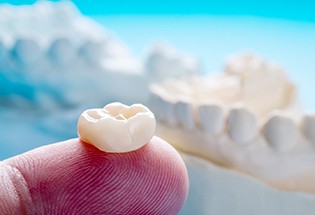
Dental crowns are one of the most recognizable dental treatments there is. Their popularity comes from not only their efficacy as a treatment but also their incredible versatility. This one procedure is used to repair damage, cap off root canals, and even just make teeth a little more beautiful.
No matter what you’re using it for, our dental crowns can give you a beautiful, healthy smile. If you want to see what we have to offer, give us a call today for a consultation.
Why Choose Jones & Night DDS For Dental Crowns?
- Beautiful, Customized Restorations
- Dental Crowns Made From High-Quality Ceramic
- Accepts a Variety of Dental Plans
What Is a Dental Crown?
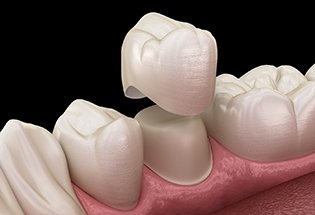
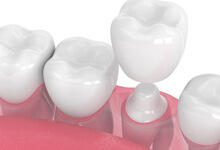
Dental crowns are small “containers” designed to look like healthy, beautiful teeth. By placing them on top of your natural teeth you can both patch up any damage they’ve experienced and give them a little bit of a face lift.
Dental crowns are a great choice for someone who has had one or two teeth that have decayed, fractured, or experienced another kind of damage too substantial for a filling to address. They can also be used like veneers on teeth that may endure a little too much bite force for that procedure to be practical.
The Process of Getting a Dental Crown
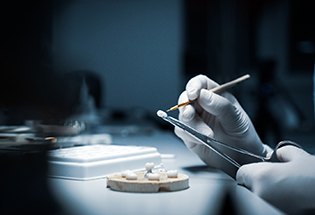
The first part of the dental crown process will entail designing the dental crown. This is done by taking a series of images of your tooth and carefully deciding on the color, shape, and size that will fit in best with the rest of your smile. We’ll then treat the tooth for any kind of disease or decay and cover it with a temporary crown while your final restoration is being crafted.
We send the designs and notes we took to the lab, and the technicians there will carefully craft your restoration to these specifications. Once it’s finished, we’ll call you back to the office and put them in place.
Benefits of Getting a Dental Crown

The issue with damage to the tooth is that the enamel isn’t able to repair itself. That means that any kind of damage the tooth sustains is liable to get worse if you don’t do anything about it. Decay is likely to progress if it isn’t treated, and small fractures can widen.
By capping off a tooth with a dental crown, you can not only improve your comfort and overall bite force but also stop any conditions you have from worsening. Besides, having a decayed tooth isn’t nearly as appealing as one that’s whole and healthy, meaning that dental crowns can also beautify your smile.
With just daily hygiene and routine checkups you can keep enjoying the benefits of dental crowns for a long time to come, over 15 years in many cases. So there’s no reason not to get the care you need—if you think a dental crown could help you, give us a call today!
Understanding the Cost of Dental Crowns
 If you’re struggling with a moderately damaged or decayed tooth, then a dental crown could be the perfect
solution for repairing and strengthening your smile. Even so, you’ll want to know about the overall price of
the treatment before committing to anything, as you won’t want any surprises when it comes to paying the bill.
Our team will walk you through the cost of dental crowns as well as your financial options to help you work within
your budget.
If you’re struggling with a moderately damaged or decayed tooth, then a dental crown could be the perfect
solution for repairing and strengthening your smile. Even so, you’ll want to know about the overall price of
the treatment before committing to anything, as you won’t want any surprises when it comes to paying the bill.
Our team will walk you through the cost of dental crowns as well as your financial options to help you work within
your budget.
Factors That Affect the Cost of Dental Crowns
Every patient’s situation will be unique, so it’s difficult to provide an accurate cost estimate of dental crowns without first evaluating your oral health through an initial consultation. Still, several factors will be considered when determining the price, including:
- The severity of the damage to the tooth.
- The kind of dental material used to construct the dental crown, such as ceramic or porcelain.
- Any additional necessary procedures, such as gum disease treatment.
Some might find it more appealing to opt for a cheaper solution or material for repairing a decayed or damaged tooth. However, the price of your treatment will often correlate to the quality of your results.
Does Dental Insurance Cover Dental Crowns?

The majority of the time, dental crowns will receive at least a portion of the total cost of treatment to be covered by dental insurance. The amount can often be around half of the entire price. Of course, every policy is different from patient to patient, so you’ll want to verify the specifics of your plan with your provider before moving forward with the treatment plan. Our team will also be glad to help you navigate your policy and file claims on your behalf so that you can have a stress-free experience while minimizing your out-of-pocket expenses.
Options for Making Dental Crowns Affordable

We understand that not everyone is currently covered by dental insurance, which can make it difficult to commit to undergoing dental care when necessary. That’s why we’re proud to offer financing through our practice, which will turn the total cost of your treatment into lower monthly payments. This way you won’t have to worry about breaking the bank and can focus more on repairing your pearly whites to enjoy a healthier smile. Don’t hesitate to speak with our team about your options, and we’ll be glad to help you review your methods for getting dental crowns while staying within your budget!
Dental Crown FAQs
What Can I Eat with a Temporary Crown?
Temporary crowns aren’t flimsy, but they also aren’t as durable as the real thing. So, it’s important to avoid crunchy and sticky foods, like corn on the cob, hard pretzels, caramel-filled candies, and taffy. It’s also a good idea to exercise caution with hot and cold foods and drinks since the surrounding area may still be a bit sensitive. In short, it’s best to stick to softer, more nutrient-dense foods, like plain yogurt, oatmeal, bananas, and cottage cheese.
Are Dental Crowns Permanent?
No, dental crowns are not permanent. They can, however, last for 10+ years with proper care. That’s why we recommend incorporating healthy habits into your daily routine, including brushing twice a day, exercising caution with crunchy foods, wearing a mouthguard during sports, and coming to our office every six months for a checkup and cleaning.
Important reminder: If you start to experience sensitivity, pain, or any other abnormal symptoms, don’t wait – call us right away to schedule an exam. That way, we can examine your restoration and determine if it’s time to have it replaced.
Do Dental Crowns Get Cavities?
Since dental crowns are crafted from artificial materials, like dental porcelain, they cannot decay. Of course, the underlying tooth still can. So, it’s important that you continue to incorporate healthy habits into your routine, starting with brushing and flossing consistently at home and extending to scheduling a dental visit with us every six months.
Are Dental Crowns Covered by Insurance?
Dental insurance providers often cover between 50% and 80% of the cost of restorative treatments, like dental crowns. So, if you are insured, take the time to review the fine print on your plan! If you need any help, you’re more than welcome to reach out to us as well. We’re proud to work with more PPO dental plans, and we’d be happy to help you navigate the ins and outs of your coverage.
Important reminder: If you don’t have dental insurance, that shouldn’t stop you from getting the care you need. After all, many common oral health problems, including cavities, only get worse if left untreated. Plus, low-interest financing is also available so you don’t need to pay for the entire cost in one lump sum.
Does It Hurt to Get a Dental Crown?
Hands down, one of the most asked questions we hear from patients is, “Will it hurt?” If this is something you’ve been wondering, we have good news: the answer is “no.” Your mouth will be thoroughly numbed during the preparation phase to ensure you don’t feel any pain or discomfort in the treatment chair. Removing your temporary crown and replacing it with the final one doesn’t usually require an anesthetic, but don’t hesitate to let us know if you’d prefer for us to numb your mouth during that visit as well.